On this page 10 sections
- What does the JellyGlow Gummies label say about medications?
- Which JellyGlow Gummies ingredients do sources flag with medicines?
- Can you take JellyGlow Gummies with blood thinners?
- What about JellyGlow Gummies and diabetes medication?
- Can JellyGlow Gummies affect blood pressure or heart medicine?
- Do JellyGlow Gummies interact with antibiotics?
- What about the other JellyGlow Gummies ingredients?
- Why do small amounts in JellyGlow Gummies still need a check?
- What should you ask your pharmacist about JellyGlow Gummies?
- FAQ
JellyGlow Gummies and medications is a question for your pharmacist, not for a sales page: the label says to consult a physician before use, especially if you take a medication. Public health sources flag a few of the gummy's ingredients, mainly Panax ginseng, rhodiola and zinc, as able to interact with certain medicines when studied on their own. This page lists what those sources say and the questions to take with you.
What does the JellyGlow Gummies label say about medications?
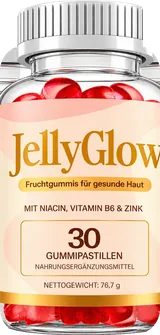
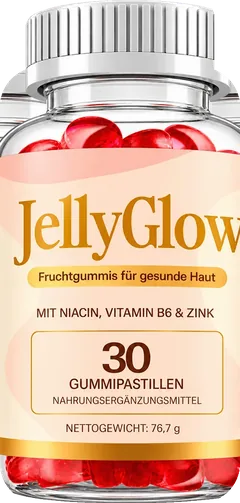
The label tells anyone taking a medication to talk to a physician before use. The caution text, as printed on the English EU label, reads: "Consult with a physician prior to use especially if you are taking a medication, have a medical condition or are under medical supervision."
The official JellyGlow sales page lists the same warning alongside the under-18 and pregnancy or breastfeeding warnings1. FDA gives the general version of the same advice: supplements can interact with medicines, so talk to a health care provider2. FTC consumer advice adds that even supplements sold as natural can be risky with certain medicines or conditions3.
Nothing on this page tells you to start, change or stop any medicine. That is a decision only your doctor should make. What we can do is show you which ingredients to point out when you ask. For the wider list of label warnings, see our safety page.
Which JellyGlow Gummies ingredients do sources flag with medicines?
Four of the nine active ingredients have a medicine caution in the sources we use: Panax ginseng, rhodiola, zinc and grape seed extract. Each finding comes from research or reports on the single ingredient, usually at far larger amounts than one gummy holds, not from any study of JellyGlow Gummies.
| Ingredient | Per gummy (label) | What the source says | Source |
|---|---|---|---|
| Panax ginseng root 20:1 extract | 2 mg | May lower blood sugar; may interfere with blood clotting; may interact with certain medicines | 4 |
| Asian ginseng (same plant) | 2 mg | May interact with warfarin and some heart and diabetes medicines | 5 |
| Rhodiola rosea root 20:1 extract | 1 mg | Reported to interact with losartan, a blood pressure medicine | 6 |
| Zinc (as zinc citrate) | 1.5 mg | Can interact with some antibiotics, penicillamine and thiazide diuretics | 7 |
| Grape seed 20:1 extract | 2 mg | Talk to a provider if you take any medicine | 8 |
| Maca root 20:1 extract | 195 mg | Talk to a provider before taking it as a supplement | 9 |
We found no study of JellyGlow Gummies with any medicine. The amounts above are what the label prints for one gummy; the sources do not say what happens at these amounts, so a pharmacist's view is the only reliable answer for your case.
| Ingredient | What the source says |
|---|---|
| Niacin, B6, zinc | Defined nutrients with reference values, upper limits and EU-authorised claims |
| Maca root | Limited human research, small trials |
| L-citrulline | Limited, mixed evidence at gram amounts |
| L-carnitine | The body makes enough in healthy people |
| Grape seed extract | Skin evidence insufficient |
| Panax ginseng | Small, short trials |
| Rhodiola | Not enough reliable evidence |
Sources: NIH ODS, NCCIH, Memorial Sloan Kettering, Cleveland Clinic, EU Regulation 432/2012. We found no study of JellyGlow Gummies themselves.
Can you take JellyGlow Gummies with blood thinners?
Ask your doctor first, because the ginseng in JellyGlow Gummies is flagged for blood clotting. NCCIH says Asian ginseng may interfere with blood clotting4, and NIH ODS says it may interact with warfarin5.
The gummy lists 2 mg of Panax ginseng root 20:1 extract. That is a very small amount next to typical ginseng products, but neither source gives a safe threshold, and we could not confirm one. If you take warfarin or any other anticoagulant, bring the label to the clinic or pharmacy that manages your dose. NCCIH also notes that grape seed extract users should talk to a provider if they take any medicine8.
Order
JellyGlow Gummies packages and prices
Prices when we checked on November 25, 2026; confirm on the official product page. We do not repeat the page's comparison figures. The buy buttons we checked pointed to a placeholder checkout link, so order links here open the official JellyGlow product page.
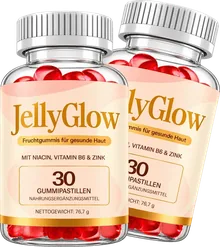
2 jars
60 gummies · about 60 days at one a day
$79per jar, incl. VAT
- Total
- $158
- Per gummy
- $2.63
- Shipping
- $20 shipping
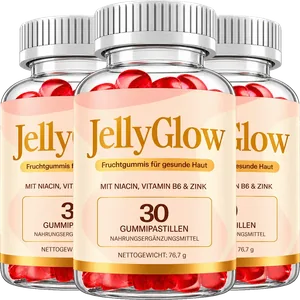
3 jars
90 gummies · about 90 days at one a day
$69per jar, incl. VAT
- Total
- $207
- Per gummy
- $2.30
- Shipping
- Free shipping
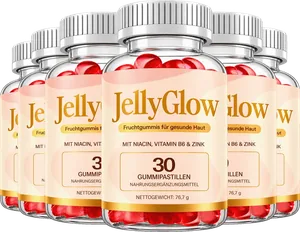
6 jars
180 gummies · about 180 days at one a day
$49per jar, incl. VAT
- Total
- $294
- Per gummy
- $1.63
- Shipping
- Free shipping
- Check the delivery countryThe shipping page names Germany only. Ask the helpdesk first if you live elsewhere.
- Pick a package2, 3 or 6 jars of 30 gummies, with VAT. The 2-jar package adds $20 shipping.
- Pay through Digistore24The seller says it is a one-time payment, no subscription. Read the total before you pay.
- Save the order emailIt holds your order ID. The 30-day guarantee counts from the day the jars arrive.


 Badges supplied by the seller (German originals). What each one means is explained on the guarantee page.
 Card logos come from the seller's pack; the official pages name no payment methods. Order links are marked sponsored. Ask your doctor first if you take medicine.
What about JellyGlow Gummies and diabetes medication?
Talk to your doctor before use, because ginseng may lower blood sugar. NCCIH says Asian ginseng may lower blood sugar and advises checking with a provider if you have diabetes4. NIH ODS adds that it may interact with some diabetes medicines5.
The largest parts of each gummy are sugars and water. The label lists glucose syrup, water and sugar as the first three ingredients, and EU labels list ingredients in descending order of weight10. The label prints no sugar grams or calories per gummy, and we could not confirm them. If you count carbohydrates, ask the helpdesk at [email protected] for the figure in writing11 and share it with your care team.
Can JellyGlow Gummies affect blood pressure or heart medicine?
Sources flag two ingredients here, so ask your pharmacist before use. NCCIH says rhodiola has been reported to interact with losartan, a blood pressure medicine6, and NIH ODS says Asian ginseng may interact with some heart medicines5.
The gummy lists 1 mg of rhodiola root extract and 2 mg of ginseng root extract. NCCIH also says reliable evidence is insufficient to show rhodiola is useful for any health purpose6. If you take any medicine for blood pressure or your heart, name it to the pharmacist and show them the full ingredient list. Our ginseng and rhodiola page covers both herbs in more detail.
Do JellyGlow Gummies interact with antibiotics?
They might, because zinc can interact with some antibiotics, so ask the prescriber or pharmacist before combining them. NIH ODS says zinc can interact with some antibiotics, with penicillamine and with thiazide diuretics7.
One gummy has 1.5 mg zinc, which is 15% of the EU nutrient reference value, according to the label. The EU adult upper limit for zinc is 25 mg a day12 and the U.S. limit is 40 mg a day7, so the gummy alone is far below both (our math). The source flags an interaction rather than a dose, and a pharmacist can check it against your exact prescription. See our zinc page for more on the mineral.
What about the other JellyGlow Gummies ingredients?
The remaining actives, niacin, vitamin B6, maca, L-citrulline and L-carnitine, carry no specific medicine warning in the sources we use, but your pharmacist should still see them. Here is what those sources do say, again about each ingredient on its own rather than about JellyGlow Gummies.
- Niacin, 25 mg NE as nicotinamide. NIH ODS says nicotinamide has fewer adverse effects than nicotinic acid and that the U.S. adult upper limit of 35 mg a day covers both supplement forms13. The EU adult upper limit for nicotinamide is 900 mg a day12.
- Vitamin B6, 2 mg. The U.S. upper limit is 100 mg a day from all sources, and long-term high doses can cause nerve damage14. The EU adult upper limit is 12 mg a day12.
- Maca root extract, 195 mg. This is the largest active amount in the gummy. Cleveland Clinic says maca is generally considered safe as a food and advises talking to a provider before taking it as a supplement9.
- L-citrulline, 35 mg. Studies of citrulline used up to 9 grams in a day5, far more than one gummy lists.
- L-carnitine, 25 mg. NIH ODS says healthy people make enough carnitine and that supplement studies use grams a day15.
The label's caution covers the whole product, not just the flagged herbs, so mention every ingredient when you ask.
Why do small amounts in JellyGlow Gummies still need a check?
Small amounts do not settle the question, and the sources do not give safe thresholds. The interaction findings come from single ingredients, often at doses many times larger than one gummy, so they cannot tell you what one gummy will do with your medicine.
A few more points to keep in mind:
- Other supplements add up. If you also take a multivitamin, B-complex or zinc product, the niacin, vitamin B6 and zinc totals rise. The U.S. upper limit for supplemental niacin is 35 mg a day from all sources13.
- Herbal products may overlap. If you already take a ginseng, rhodiola or maca product, tell your pharmacist; the gummy adds more of the same plant.
- Health conditions matter as well as medicines. NCCIH says ginseng may worsen autoimmune disorders4.
- There is no product study. We found no research on JellyGlow Gummies themselves.
Our side effects page lists what the sources say about each ingredient's own side effects.
What should you ask your pharmacist about JellyGlow Gummies?
Bring the jar or a clear photo of the full label, plus a list of every medicine and supplement you take. The quickest way to a useful answer is to let the pharmacist read the label themselves.
Questions to ask:
- Does the Panax ginseng or rhodiola in this gummy matter for any of my medicines?
- Does the zinc matter for any antibiotic or other medicine I take?
- With my other supplements, what are my daily totals for niacin, vitamin B6 and zinc?
- Is there anything about my conditions, such as diabetes or a bleeding disorder, that makes this a poor fit?
- What signs should make me contact you or my doctor?
If the answer is "not right now", that is a useful answer too. Our who it's for page explains the label groups the gummies are and are not meant for.
ToolBefore-you-start check
Five yes-or-no questions taken from the label warnings. Answer them to see whether the label asks you to talk to a doctor first, and which questions to bring.
Are you under 18?
Are you pregnant or nursing?
Do you take any medication?
Do you have a medical condition or are you under medical supervision?
Do you take other supplements with niacin, vitamin B6 or zinc?
This tool needs JavaScript turned on.
Never start, change or stop a prescribed medicine because of a supplement. Ask your doctor or pharmacist, and show them the JellyGlow Gummies label.
Frequently asked questions
Can I take JellyGlow Gummies with blood thinners?
Is it OK to combine JellyGlow Gummies with diabetes medication?
Only after talking to your doctor. NCCIH says ginseng may lower blood sugar4, and the label prints no sugar grams per gummy.
Do JellyGlow Gummies interfere with blood pressure medicine?
Can JellyGlow Gummies be taken with antibiotics?
Ask the pharmacist who fills the prescription first. NIH ODS says zinc can interact with some antibiotics7, and the answer depends on the exact medicine.
What is known about JellyGlow Gummies drug interactions?
Very little: we found no study of the product itself. The interaction findings we cite come from single ingredients, not from JellyGlow Gummies, so a pharmacist's check is the best guide.
Sources for this page
L = the printed label. D = the seller's pages and Digistore24. S = health, EU and U.S. government sources.
- D1 JellyGlow official sales page. JellyGlow (jellyglow.site). jellyglow.site
- S15 FDA 101: Dietary Supplements. U.S. Food and Drug Administration. www.fda.gov/consumers/consumer-updates/fda-101-dietary-supplements
- S19 Dietary Supplements (consumer advice). Federal Trade Commission. consumer.ftc.gov/articles/dietary-supplements
- S7 Asian Ginseng. NIH National Center for Complementary and Integrative Health (NCCIH). www.nccih.nih.gov/health/asian-ginseng
- S5 Dietary Supplements for Exercise and Athletic Performance: Fact Sheet for Consumers. NIH Office of Dietary Supplements. ods.od.nih.gov/factsheets/ExerciseAndAthleticPerformance-Consumer
- S8 Rhodiola. NIH National Center for Complementary and Integrative Health (NCCIH). www.nccih.nih.gov/health/rhodiola
- S3 Zinc: Fact Sheet for Health Professionals. NIH Office of Dietary Supplements. ods.od.nih.gov/factsheets/Zinc-HealthProfessional
- S6 Grape Seed Extract. NIH National Center for Complementary and Integrative Health (NCCIH). www.nccih.nih.gov/health/grape-seed-extract
- S10 Is Maca Root Good for You?. Cleveland Clinic. health.clevelandclinic.org/maca-root-benefits
- S12 Regulation (EU) No 1169/2011 on food information to consumers. European Union (EUR-Lex). eur-lex.europa.eu/eli/reg/2011/1169/oj/eng
- D5 JellyGlow contact page (Kontakt). JellyGlow (jellyglow.site). jellyglow.site/kontakt
- S13 Summary of Tolerable Upper Intake Levels (version 11, August 2025). European Food Safety Authority (EFSA). www.efsa.europa.eu/sites/default/files/2024-05/ul-summary-report.pdf
- S1 Niacin: Fact Sheet for Health Professionals. NIH Office of Dietary Supplements. ods.od.nih.gov/factsheets/Niacin-HealthProfessional
- S2 Vitamin B6: Fact Sheet for Consumers. NIH Office of Dietary Supplements. ods.od.nih.gov/factsheets/VitaminB6-Consumer
- S4 Carnitine: Fact Sheet for Health Professionals. NIH Office of Dietary Supplements. ods.od.nih.gov/factsheets/Carnitine-HealthProfessional
Last updated November 25, 2026. Medical review: Dr. Neera Nathan, MD, Physician. Facts come from the printed label, the seller's pages and the public health and EU sources above; prices were checked November 25, 2026. Spotted an error? Email [email protected].